SOPHOCLES, FRANKLIN, D., ED., ET AL., 2003. Antigone. Cambridge: Cambridge University Press.
DORFMAN, A., 1994. Death and the Maiden. New York: Penguin.
IBSEN, H., FJELDE. R., ed., 1965. The Wild Duck. New York: The New American library, Signet.
Please note: take care with full stops and commas

Friday, May 22, 2009

Monday, May 18, 2009
True History of the Kelly Gang - Research

A link to a government site which gives some primary and secondary sources on Edward "Ned" Kelly:
www.cultureandrecreation.gov.au/articles/nedkelly/
Also: www.ironoutlaw.com (a thorough, excellent site)
National museum – www.nma.gov.au (photographs, cartons and paintings)
www.nedkellyworld.com.au (maps, information and pictures)
www.statelibrary.vic.gov.au (Jerilderie Letters)
Please make sure that you are thorough in your research.
When conducting your research, please make notes and also make sure you are thinking about how the information you are reading might add to Ned Kelly's fame / notoriety.
1) Is the "voice" which Peter Carey has given him apt?
2) How is he protrayed through Carey's construction of "voice"?
3) What kind of character does Carey portray Kelly to be?
4) What literary devices help in the construction of character?
Wednesday, May 13, 2009
'notorious' characters explored in the four IOP texts
All the novels feature ‘notorious’ characters. Is it positive or negative? Explain for each character.
Notorious in our opinion is used to describe someone who is ill-famed and known widely and usually unfavourably. The person described usually has unfavourable connotations attached to them. They are also known for bad conduct or disgrace.
In 'Regeneration' by Pat Barker, our group agreed that Sassoon can be identified as a 'notorious' character because he rebels against the government through his written declaration. He is portrayed unfavourably in the governments' eyes and is ill-famed to some extent. Through his insurgent poems, he gained popularity amongst his fellow fascists, thus proving him to be viewed also as 'notorious' in a positive way.
In 'Alias Grace' by Margeret Atwood, Grace Marks, the protagonist is depicted as a 'notorious' character through her reputation for killing. In the novel, she is labeled as a "celebrated murderess" (page 25). Her notoriety is inflated through her responses during her trials. She is a cunning and clever woman, and is deemed 'notorious' by choosing to keep her deeper thoughts hidden from the authorities.
- Anahita, Lillian, Mai & Yung
Notorious in our opinion is used to describe someone who is ill-famed and known widely and usually unfavourably. The person described usually has unfavourable connotations attached to them. They are also known for bad conduct or disgrace.
In 'Regeneration' by Pat Barker, our group agreed that Sassoon can be identified as a 'notorious' character because he rebels against the government through his written declaration. He is portrayed unfavourably in the governments' eyes and is ill-famed to some extent. Through his insurgent poems, he gained popularity amongst his fellow fascists, thus proving him to be viewed also as 'notorious' in a positive way.
Another character which can be portrayed as 'notorious' is the infamous Dr. Yealland who gained his reputation of notoriety throughout the hospital due to his horrific treatment methods in which he inflicts on his patients thus making him 'notorious' in the eyes of his patients.
In 'Perfume' by Patrick Süskind, the protagonist, Grenouille, murders young, attractive virgins to obtain their exotic scent. However, he is only established as a 'notorious' person at the end of the novel as he was finally convicted of his murders then. Before that, he managed to keep a low profile, through his undetected scent and so was able to keep his murders hidden from the public. Grenouille's secret identity as a murderer classifies him as a 'notorious' character amongst the readers even before he was uncovered in the public eyes for his crimes. His notoriety is seen as negative before and after the discovery of his actions.In 'Alias Grace' by Margeret Atwood, Grace Marks, the protagonist is depicted as a 'notorious' character through her reputation for killing. In the novel, she is labeled as a "celebrated murderess" (page 25). Her notoriety is inflated through her responses during her trials. She is a cunning and clever woman, and is deemed 'notorious' by choosing to keep her deeper thoughts hidden from the authorities.
- Anahita, Lillian, Mai & Yung
The Narrative Voice: Novels in Part 4
Written by: Truc, Chris, Nick and Rhys
Comment on the narrative voice of each text. How does it allow the audience to connect with the protagonist?
ALIAS GRACE
More than one narrative voice is present in this novel. It switches between Grace's first hand account, which is at times both dreamlike and lucid, and a third-person account focused on Dr. simon Jordan's perspective. The story is also told through a series of letters, ranging in writers from Dr Jordan, his colleagues, his mother, and even Grace herself.
Grace's first hand account is not reliable - at times we feel intimate with her because she admits things to the reader that Dr Jordan is not able to get out of her. However, sometimes her accounts of events are hazy and lacking in focus/detail, creating more confusion amongst the various newspaper articles, song lyrics and "first hand" accounts of the time. The narrative of Dr Jordan seems distant, as the parts of it that revolve around Grace seem more analytical and inquisitive than empathetic. It makes Grace seem like an object instead of a person.
TRUE HISTORIES OF THE KELLY GANG
This novel is told primarily from Ned Kelly's point of view, in what appears to be a long letter to his unborn daughter it is seperated into 13 bound parcels, each concerned with a different aspect of his life.
Ned's accounts are told with little punctuation and sometimes read as a series of thoughts that just "pop" into his head. This makes the reader feel closer to him - as if we are truly within the complicated realm of his mind. Each parcel starts with librarian's notes and detailed explanations of the appearance of each parcel (size, type of paper, etc) it helps to bring Ned Kelly to life, as the addtion of the notes makes one really feel as if the letters he writes are real.
PERFUME
This is an omniscient narrative, focused mostly on Grenouille but at times shifting into side stories of other characters who are affected by Grenouille. The narrator switches between showing the audience what goes in in Grenouille's mind, and then showing the audience the consequences of his actions. For example, towards the end of the novel when he is murdering everyone, Suskind chooses to look at it through the perspective of the villagers, revealing what a monster Grenouille is. However, when the narrator chooses to show the perspectives of people like Baldini, who use Grenouille, the reader feels sympathy because these people do not treat Grenouille as if he is a person. The language used is highly descriptive and sensory, in terms of the setting and the smells and emotions Grenouille experiences, by doing this, Suskind manages to create some sort of feeling for Grenouille's decisions and horrible crimes because of the rich narrative language.
REGENERATION
This, again, is a third person omniscient narrative that presents more than one viewpoint. each soldier has his own story told at various points throughout the novel - allowing the audience to connect with each one individually, understanding every facet of the plight of the soldiers. As well as this, there are large amounts of narrative that, though in third person, are detailed accounts of Rivers' thought process. Through Rivers, all of the characters within the story are linked together - his analysis of their psyche and experiences and questions about the practice of psychiatry and the morals of war allow deeper feeling and empathy for each character's situation, and the situation of the "broken soldiers" as a whole.
Comment on the narrative voice of each text. How does it allow the audience to connect with the protagonist?
ALIAS GRACE
More than one narrative voice is present in this novel. It switches between Grace's first hand account, which is at times both dreamlike and lucid, and a third-person account focused on Dr. simon Jordan's perspective. The story is also told through a series of letters, ranging in writers from Dr Jordan, his colleagues, his mother, and even Grace herself.
Grace's first hand account is not reliable - at times we feel intimate with her because she admits things to the reader that Dr Jordan is not able to get out of her. However, sometimes her accounts of events are hazy and lacking in focus/detail, creating more confusion amongst the various newspaper articles, song lyrics and "first hand" accounts of the time. The narrative of Dr Jordan seems distant, as the parts of it that revolve around Grace seem more analytical and inquisitive than empathetic. It makes Grace seem like an object instead of a person.
TRUE HISTORIES OF THE KELLY GANG
This novel is told primarily from Ned Kelly's point of view, in what appears to be a long letter to his unborn daughter it is seperated into 13 bound parcels, each concerned with a different aspect of his life.
Ned's accounts are told with little punctuation and sometimes read as a series of thoughts that just "pop" into his head. This makes the reader feel closer to him - as if we are truly within the complicated realm of his mind. Each parcel starts with librarian's notes and detailed explanations of the appearance of each parcel (size, type of paper, etc) it helps to bring Ned Kelly to life, as the addtion of the notes makes one really feel as if the letters he writes are real.
PERFUME
This is an omniscient narrative, focused mostly on Grenouille but at times shifting into side stories of other characters who are affected by Grenouille. The narrator switches between showing the audience what goes in in Grenouille's mind, and then showing the audience the consequences of his actions. For example, towards the end of the novel when he is murdering everyone, Suskind chooses to look at it through the perspective of the villagers, revealing what a monster Grenouille is. However, when the narrator chooses to show the perspectives of people like Baldini, who use Grenouille, the reader feels sympathy because these people do not treat Grenouille as if he is a person. The language used is highly descriptive and sensory, in terms of the setting and the smells and emotions Grenouille experiences, by doing this, Suskind manages to create some sort of feeling for Grenouille's decisions and horrible crimes because of the rich narrative language.
REGENERATION
This, again, is a third person omniscient narrative that presents more than one viewpoint. each soldier has his own story told at various points throughout the novel - allowing the audience to connect with each one individually, understanding every facet of the plight of the soldiers. As well as this, there are large amounts of narrative that, though in third person, are detailed accounts of Rivers' thought process. Through Rivers, all of the characters within the story are linked together - his analysis of their psyche and experiences and questions about the practice of psychiatry and the morals of war allow deeper feeling and empathy for each character's situation, and the situation of the "broken soldiers" as a whole.
The Balance of Empathy and Revulsion
Do we have a balance of empathy and revulsion for each of the protagonists?
How is this feeling created by the writers?
Grenouille (Perfume):
In Perfume there is an imbalance of revulsion and empathy experienced towards the protagonist, Grenouille. However, there is a greater revulsion felt as the novel is written in first person, where the reader is exposed to all the protagonists thoughts and views. Grenouille is portrayed as more of a creature than a human, where his thoughts show little emotion and a rather detached nature. Not only this but to inflict harm apon another appears to give him pleasure amoung all other emotions and a drive to continue to murder and cause pain to others. Grenouilles talent of smell is also portrayed in such a manner as to suggest that it is partly revulsion and partly empathy as it displays his inhumman side which lacks emotion and a gifted side which ultimatly brings out the human in him, a gift which most humans envy. However, Grenouille also appeals to the readers empathy as he shares qualities and experiences that many others have been exposed to. These include mistreatment from a young age, being an orphan and his general position of loniness. Another quality of Grenouilles that people envy is his ability to make his own way, creating his own success without relying on others to do so for him. The empathy shown towards Grenouille is portrayed through the colloquial languge and the first person in which the novel is written as it creates a greater understanding of the protagonist in the simple yet affective language used but this language also exposes Grenouille in asense to to the simple use of the language.
Rivers (Regeneration):
In Regeneration, there is an imbalance in which emypathy is greater than the revulsion felt towards the protagonist, Rivers. This is portrayed through the other characters and how they appear to rely on Rivers as a 'father figure' in which he guides and assits them. Not only this but the context in which the novel is written in first person offers many different points of views of the other characters while the reader is able to enter their thoughts. Furthermore, the fact that Rivers has to deal with mentally affected soldiers of war is a traumatising occupation, one which requires alot of logical and restrained thinking on the doctor's be half. Not only this but his indepth undertanding of people and his morals and points on the suffering of man due to war also offers the reader an oppotunity to empathise with him. However, the fact that his method used to treat his patients is still an experiment appeals to the revulsion of the reader as it is as if he is experimenting on people which in affect then questions River's morals.
Ned Kelly (The True History of the Kelly Gang):
The reader feels empathy for Ned Kelly because of his problems with family and the way he is treated throughout his life by the people who should be looked up to, for example, his father. Ned has a strong sense of justice and strives to maintain this using his good morals. This makes the reader like the character so feel more inclined to understand him. Empathy is created in the True History of the Kelly Gang by the colloquial language used throughout the novel, making the reader feel familiar with the character. The flowing, unpunctuated language resembles the process of thought, making the reader feel he or she is inside Ned's mind. This closeness makes the reader feel as if he or she is intimately connected with the protagonist, causing feeling of empathy. Ned is an outlaw and this may cause revulsion if it were not for his reasoning behind breaking all the laws he does, which the reader empathises with. The treatment of him by the authorities shows that they are revolted by him and also his lack of status and education. However, this is not mirrored by the reader because of the negative way in which the officials are portrayed in the novel. Therefore, Ned Kelly brings about more empathy than revulsion, the unbalance shown in the way the reader has connected with him.
Grace Marks (Alias Grace):
Grace is portrayed as a a good person through the way she reacts to her difficult circumstances and all the friends that she makes. She works hard for her family and for herself and so empathy is created strongly in the novel. The writer tells Grace's story through her point of view, in first person, which allows the reader to her her thoughts and feelings. This lets the reader understand her actions because she justifies them in a completely human way. The reader trusts she is not guilty of murder throughout most of the novel simply because he or she knows her story and empathises with the hard times that she goes through, as he or she feels as if they experienced the events together with Grace. The protagonist is arrested for murder which causes revulsion in the characters around her. These characters all seem to change her mind as they cannot resist her good demeanor. The appearance of her split personality does generate some revulsion because this is not considered normal or possibly human, especially in those times. The other characters, however are perfectly happy to believe that Grace is possessed by a spirit because of their own spiritual beliefs. There is a question to as whether or not she is acting about he split personality and this would mean that she was lying about her story the whole time, or else still does not remember if she committed the murder or not. If it is the former then a strong sense of revulsion would be created as the reader feels betrayed, but this is only potential because it is never explained fully. Therefore, as it stands, there is a greater amount of empathy than revulsion in the novel.
Julia, Frances, Ruben
How is this feeling created by the writers?
Grenouille (Perfume):
In Perfume there is an imbalance of revulsion and empathy experienced towards the protagonist, Grenouille. However, there is a greater revulsion felt as the novel is written in first person, where the reader is exposed to all the protagonists thoughts and views. Grenouille is portrayed as more of a creature than a human, where his thoughts show little emotion and a rather detached nature. Not only this but to inflict harm apon another appears to give him pleasure amoung all other emotions and a drive to continue to murder and cause pain to others. Grenouilles talent of smell is also portrayed in such a manner as to suggest that it is partly revulsion and partly empathy as it displays his inhumman side which lacks emotion and a gifted side which ultimatly brings out the human in him, a gift which most humans envy. However, Grenouille also appeals to the readers empathy as he shares qualities and experiences that many others have been exposed to. These include mistreatment from a young age, being an orphan and his general position of loniness. Another quality of Grenouilles that people envy is his ability to make his own way, creating his own success without relying on others to do so for him. The empathy shown towards Grenouille is portrayed through the colloquial languge and the first person in which the novel is written as it creates a greater understanding of the protagonist in the simple yet affective language used but this language also exposes Grenouille in asense to to the simple use of the language.
Rivers (Regeneration):
In Regeneration, there is an imbalance in which emypathy is greater than the revulsion felt towards the protagonist, Rivers. This is portrayed through the other characters and how they appear to rely on Rivers as a 'father figure' in which he guides and assits them. Not only this but the context in which the novel is written in first person offers many different points of views of the other characters while the reader is able to enter their thoughts. Furthermore, the fact that Rivers has to deal with mentally affected soldiers of war is a traumatising occupation, one which requires alot of logical and restrained thinking on the doctor's be half. Not only this but his indepth undertanding of people and his morals and points on the suffering of man due to war also offers the reader an oppotunity to empathise with him. However, the fact that his method used to treat his patients is still an experiment appeals to the revulsion of the reader as it is as if he is experimenting on people which in affect then questions River's morals.
Ned Kelly (The True History of the Kelly Gang):
The reader feels empathy for Ned Kelly because of his problems with family and the way he is treated throughout his life by the people who should be looked up to, for example, his father. Ned has a strong sense of justice and strives to maintain this using his good morals. This makes the reader like the character so feel more inclined to understand him. Empathy is created in the True History of the Kelly Gang by the colloquial language used throughout the novel, making the reader feel familiar with the character. The flowing, unpunctuated language resembles the process of thought, making the reader feel he or she is inside Ned's mind. This closeness makes the reader feel as if he or she is intimately connected with the protagonist, causing feeling of empathy. Ned is an outlaw and this may cause revulsion if it were not for his reasoning behind breaking all the laws he does, which the reader empathises with. The treatment of him by the authorities shows that they are revolted by him and also his lack of status and education. However, this is not mirrored by the reader because of the negative way in which the officials are portrayed in the novel. Therefore, Ned Kelly brings about more empathy than revulsion, the unbalance shown in the way the reader has connected with him.
Grace Marks (Alias Grace):
Grace is portrayed as a a good person through the way she reacts to her difficult circumstances and all the friends that she makes. She works hard for her family and for herself and so empathy is created strongly in the novel. The writer tells Grace's story through her point of view, in first person, which allows the reader to her her thoughts and feelings. This lets the reader understand her actions because she justifies them in a completely human way. The reader trusts she is not guilty of murder throughout most of the novel simply because he or she knows her story and empathises with the hard times that she goes through, as he or she feels as if they experienced the events together with Grace. The protagonist is arrested for murder which causes revulsion in the characters around her. These characters all seem to change her mind as they cannot resist her good demeanor. The appearance of her split personality does generate some revulsion because this is not considered normal or possibly human, especially in those times. The other characters, however are perfectly happy to believe that Grace is possessed by a spirit because of their own spiritual beliefs. There is a question to as whether or not she is acting about he split personality and this would mean that she was lying about her story the whole time, or else still does not remember if she committed the murder or not. If it is the former then a strong sense of revulsion would be created as the reader feels betrayed, but this is only potential because it is never explained fully. Therefore, as it stands, there is a greater amount of empathy than revulsion in the novel.
Julia, Frances, Ruben
Tuesday, May 12, 2009
This blog if for my group (containing Ashleigh, May, Brian, and myself) which had point 2. Our point to expand upon was: All feature characters are loved and reviled. Explain for each one in what way. Unfortunately I have only personally read two of these texts; Regeneration and Perfume. We believed that in the novel Perfume, Grenouille was never fully loved to the point of many other humans. He was greatly appreciated by Baldini for helping with his scents and maintaining his reputation, Marquis de la Tallide-Espinasse for proving his theory on fluidium lethale, and even by the "riff-raff" of people in the cemetary who loved his scent, and his ability to make scents, so much so that they ate him. He was reviled by many people including but not limited his mom, the woman at the orphanage, the wet nurse, terrier, the Madam Gailard, his victims, and the families of his victims. These people seemed to hate him because they didnt know how to feel about him. Due to his intense sense of smell, he focused on mainly that, and this annoyed and freaked many people out. In Regeneration, Sassoon is loved by many including Dr. Rivers who views him in a paternal way. Also, the poet Wilson, who was also in the mental hospital, and shared Sassoon's love of poetry, and a love of Sassoon's poetry. Sasson was not a explicitly reviled by as many people as Grenouille was, however, the army clearly reviled him for his poetry against the war, and they were the ones who sent him to the mental hospital, although it is questionable whether or not he belonged there. It is possible that many of the other patients in Sassoon's hospital reviled him, as they had fought hard in the war and strongly believed in the war, and they were also in a worse mental state, and may have reviled him for his more stable mental state. In the end, we learn that everyone has enemies and allies, but in the end we all also have a story.
Friday, March 13, 2009
Contributions to the World Book
A call to any of you who would like to write, or have already a written piece to submit for the World Book which is being published by Alice Smith School through a grant from UNESCO.
The work needs to be submitted to me on Word whether is be poetry or prose and your school name, full name and theme needs to be included as a "header" on the top. Poetry can be in any form you like.
Here are some ideas on the themes from Alice Smith School:
Please bear in mind that the themes we have selected this year, as with those for last year’s book, are a general outline only. Our principal interest is in writing which is lively, original, provocative, technically innovative, sharp, distinctive, entertaining, authentic….
We have included a sixth theme this year, ‘As I Please’, named after George Orwell’s old column for the New Statesman, which specifically invites stories or poems which don’t fit the broad outlines we have given. This can also be a place to include other pieces of writing that you generate within or outside of the curriculum. We hope you like the ideas we have included but please don’t feel constrained by them or obliged to follow any of the ideas included here! We look forward to receiving your entries to the World Book 2009 and making it a wonderful collection for us all to share and learn from.
Barriers
Nonfiction:
The US election and barriers to involvement in it; gender and the election, Hilary Clinton’s rejection, Sarah Palin’s acceptance; race and the election, traditional barriers encountered by Obama…
A study of famous physical man made barriers in the World; Great Wall of China, Berlin Wall, Israeli/Palestinian wall, US/Mexico wall, the Wailing Wall, Hadrian’s Wall, city walls worldwide…
Nonfiction study of natural barriers; mountains, oceans, desert
Disabled or differently abled? Personal or second hand accounts of barriers or overcoming barriers; argumentative/discursive essay writing on this theme
World without borders?
Language barriers; possibly writing looking at overcoming language barriers; work which includes aspects of other languages for effect as in ‘Search for My Tongue’ by Sujata Bhatt.
Poetry and Prose Fiction:
Poetry which focuses on barriers to happiness or fulfilment; social barriers, educational barriers, family barriers, economic barriers, geographical barriers, cultural or religious barriers
Literary linked writing, re-creative or critical essays:
To Kill a Mockingbird, The Curious Incident of the dog…., Of Mice and Men, Sylvia Plath ‘Dying is an art…’
For The Fun of It
Nonfiction:
Is fun overrated? A chance for some quirky or light hearted writing with a message.
Is learning/school fun?
Study of comical figures. Charlie Chaplin to Chris Rock….Jackie Chan…
Study of humourous cartoons – The Simpsons, Peanuts, Gary Larsen…
Essays looking at humour in literature: Chaucer; Shakespeare’s comedies; Restoration comedy; ancient comedy: Aristophanes, Horace; modern comedy: John Kennedy Toole, Roald Dahl, Betsy Byars
Poetry:
Limerick, haiku, nonsense verse, nursery rhymes, acrostic, concrete poetry, riddles, humorous verse, poems inspired by humorous verse (Roger Mc.Gough, Wendy Cope, Brian Patten, Benjamin Zephaniah, Pam Ayres…), re-created humorous versions of serious art or literature, light hearted or satirical takes on famous works (the sixty second Hamlet on YouTube, Not My Best Side by U.A. Fanthorpe )
Prose Fiction and Literary links
Fictional or re-creative writing with humorous or fun twist as in Dahl’s Tales of the Unexpected
Macabre fun; essays or re-creative writing, or stories inspired by enjoyably scary writing such as E.A.Poe’s tales of Mystery and Imagination, Mary Shelley’s Frankenstein or Dr.Jekyll and Mr. Hyde
Skin Deep
Nonfiction:
Racial studies ; Apartheid and Mandela, Martin Luther King and the civil rights movement, Gandhi, Hitler, Obama on race- the significance of skin to people
Why race does/doesn’t matter. A chance for provocative argumentative writing or balanced studies of racial issues.
A study of a race or ‘skin’ related issue locally; possibly colonial expansion in South America, the effect of oil on tribal groups in Nigeria
A study of a related area; scarification, superstition related to albinoism/albinism
Racial concepts of beauty. African, European, American, South American and Asian ideas of beauty/ fairness of skin.
Snakes and reptile skin shedding compared to animal skin shedding
Literary essays on texts dealing with issues of race
Poetry and Prose fiction:
Writing inspired by writing dealing with race: Maya Angelou, Toni Morrison, Alice Walker, Mark Twain, Harper Lee, Alan Paton, Athol Fugard, Ngugi Wa Thiongo, John Agard (Half Caste), Pramoedya Ananta Toer, Shirley Lim…
Appearance and reality; writing which explores the world within or how surface appearance often conceals
‘Inside Out’ or ‘Beneath the Surface’
Heroes
Nonfiction:
Huge potential to write about heroes of all sorts: Political, Celebrity, Antiheroes, Sporting, Literary, National
Issues about the way that heroes are created or inappropriate/fallen heroes: Becks and Posh, Britney, O.J.Simpson, Terrorist or Freedom fighter/ hero?
Studies of Superman, Batman, and the TV programme ‘Heroes’…or the people who created them…
Heroism and War
Everyday heroes; people who achieve extraordinary things, a portrait of a friend or family member
Poetry:
Elegies for lost heroes, praise poems for individuals or groups of people, Odes
Prose fiction:
Stories which feature ordinary hero characters or or focusing on individual acts of courage, strength or heroism.
Superhero stories, fun pieces creating plausible or absurd superpowers
Satirical writing highlighting the difference between those accorded heroic status and those not
Only Connect
This is principally an opportunity to showcase writing in poetry, prose fiction or nonfiction which explores links between subject areas in a curriculum. A chance to include Historical writing, essays from Geography, Art, Theory of Knowledge……
Non Fiction :
A study of connections in society; freemasonry, political dynasties, organizations that cross boundaries or overcome conflict
‘Ubuntu’ – non fiction on international attitudes towards society and connectedness
A study or criticism of E.M.Forster
Fiction and poetry:
Stories highlighting the importance of connections between people or places or things
A sense of place
Stories and poems inspired by the theme of connections and consequently of the outsider or disconnected (could be based upon literature studied: Camus, Steinbeck, Mark Haddon, Maya Angelou…)
As I Please
Any nonfiction pieces which don’t fit loosely or otherwise into the categories we have selected. These can be coursework pieces, or pieces composed entirely independently. This is included as an encouragement for those who don’t like the themes selected and want to spread their wings or develop their own ideas.
Please submit to handinmywork@gmail.com before April 1st.
The work needs to be submitted to me on Word whether is be poetry or prose and your school name, full name and theme needs to be included as a "header" on the top. Poetry can be in any form you like.
Here are some ideas on the themes from Alice Smith School:
Please bear in mind that the themes we have selected this year, as with those for last year’s book, are a general outline only. Our principal interest is in writing which is lively, original, provocative, technically innovative, sharp, distinctive, entertaining, authentic….
We have included a sixth theme this year, ‘As I Please’, named after George Orwell’s old column for the New Statesman, which specifically invites stories or poems which don’t fit the broad outlines we have given. This can also be a place to include other pieces of writing that you generate within or outside of the curriculum. We hope you like the ideas we have included but please don’t feel constrained by them or obliged to follow any of the ideas included here! We look forward to receiving your entries to the World Book 2009 and making it a wonderful collection for us all to share and learn from.
Barriers
Nonfiction:
The US election and barriers to involvement in it; gender and the election, Hilary Clinton’s rejection, Sarah Palin’s acceptance; race and the election, traditional barriers encountered by Obama…
A study of famous physical man made barriers in the World; Great Wall of China, Berlin Wall, Israeli/Palestinian wall, US/Mexico wall, the Wailing Wall, Hadrian’s Wall, city walls worldwide…
Nonfiction study of natural barriers; mountains, oceans, desert
Disabled or differently abled? Personal or second hand accounts of barriers or overcoming barriers; argumentative/discursive essay writing on this theme
World without borders?
Language barriers; possibly writing looking at overcoming language barriers; work which includes aspects of other languages for effect as in ‘Search for My Tongue’ by Sujata Bhatt.
Poetry and Prose Fiction:
Poetry which focuses on barriers to happiness or fulfilment; social barriers, educational barriers, family barriers, economic barriers, geographical barriers, cultural or religious barriers
Literary linked writing, re-creative or critical essays:
To Kill a Mockingbird, The Curious Incident of the dog…., Of Mice and Men, Sylvia Plath ‘Dying is an art…’
For The Fun of It
Nonfiction:
Is fun overrated? A chance for some quirky or light hearted writing with a message.
Is learning/school fun?
Study of comical figures. Charlie Chaplin to Chris Rock….Jackie Chan…
Study of humourous cartoons – The Simpsons, Peanuts, Gary Larsen…
Essays looking at humour in literature: Chaucer; Shakespeare’s comedies; Restoration comedy; ancient comedy: Aristophanes, Horace; modern comedy: John Kennedy Toole, Roald Dahl, Betsy Byars
Poetry:
Limerick, haiku, nonsense verse, nursery rhymes, acrostic, concrete poetry, riddles, humorous verse, poems inspired by humorous verse (Roger Mc.Gough, Wendy Cope, Brian Patten, Benjamin Zephaniah, Pam Ayres…), re-created humorous versions of serious art or literature, light hearted or satirical takes on famous works (the sixty second Hamlet on YouTube, Not My Best Side by U.A. Fanthorpe )
Prose Fiction and Literary links
Fictional or re-creative writing with humorous or fun twist as in Dahl’s Tales of the Unexpected
Macabre fun; essays or re-creative writing, or stories inspired by enjoyably scary writing such as E.A.Poe’s tales of Mystery and Imagination, Mary Shelley’s Frankenstein or Dr.Jekyll and Mr. Hyde
Skin Deep
Nonfiction:
Racial studies ; Apartheid and Mandela, Martin Luther King and the civil rights movement, Gandhi, Hitler, Obama on race- the significance of skin to people
Why race does/doesn’t matter. A chance for provocative argumentative writing or balanced studies of racial issues.
A study of a race or ‘skin’ related issue locally; possibly colonial expansion in South America, the effect of oil on tribal groups in Nigeria
A study of a related area; scarification, superstition related to albinoism/albinism
Racial concepts of beauty. African, European, American, South American and Asian ideas of beauty/ fairness of skin.
Snakes and reptile skin shedding compared to animal skin shedding
Literary essays on texts dealing with issues of race
Poetry and Prose fiction:
Writing inspired by writing dealing with race: Maya Angelou, Toni Morrison, Alice Walker, Mark Twain, Harper Lee, Alan Paton, Athol Fugard, Ngugi Wa Thiongo, John Agard (Half Caste), Pramoedya Ananta Toer, Shirley Lim…
Appearance and reality; writing which explores the world within or how surface appearance often conceals
‘Inside Out’ or ‘Beneath the Surface’
Heroes
Nonfiction:
Huge potential to write about heroes of all sorts: Political, Celebrity, Antiheroes, Sporting, Literary, National
Issues about the way that heroes are created or inappropriate/fallen heroes: Becks and Posh, Britney, O.J.Simpson, Terrorist or Freedom fighter/ hero?
Studies of Superman, Batman, and the TV programme ‘Heroes’…or the people who created them…
Heroism and War
Everyday heroes; people who achieve extraordinary things, a portrait of a friend or family member
Poetry:
Elegies for lost heroes, praise poems for individuals or groups of people, Odes
Prose fiction:
Stories which feature ordinary hero characters or or focusing on individual acts of courage, strength or heroism.
Superhero stories, fun pieces creating plausible or absurd superpowers
Satirical writing highlighting the difference between those accorded heroic status and those not
Only Connect
This is principally an opportunity to showcase writing in poetry, prose fiction or nonfiction which explores links between subject areas in a curriculum. A chance to include Historical writing, essays from Geography, Art, Theory of Knowledge……
Non Fiction :
A study of connections in society; freemasonry, political dynasties, organizations that cross boundaries or overcome conflict
‘Ubuntu’ – non fiction on international attitudes towards society and connectedness
A study or criticism of E.M.Forster
Fiction and poetry:
Stories highlighting the importance of connections between people or places or things
A sense of place
Stories and poems inspired by the theme of connections and consequently of the outsider or disconnected (could be based upon literature studied: Camus, Steinbeck, Mark Haddon, Maya Angelou…)
As I Please
Any nonfiction pieces which don’t fit loosely or otherwise into the categories we have selected. These can be coursework pieces, or pieces composed entirely independently. This is included as an encouragement for those who don’t like the themes selected and want to spread their wings or develop their own ideas.
Please submit to handinmywork@gmail.com before April 1st.
Wednesday, March 11, 2009
Youtube Link to Google Docs Tutorial
This tutorial shows you how simple and easy it is to use Google Docs, no more lost draft or bits of paper - you can edit together at the same time as well. Revolutionises group work as you can do it together even if you can't be in the same place:
Google Docs Tutorial
Google Docs Tutorial
Sunday, February 15, 2009
Women at Point Zero (worldlit)
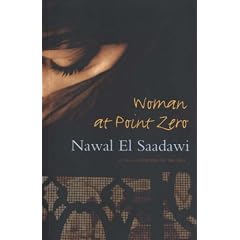
Women at Point Zero ( Nawaal El Saadawi)
In Woman at Point Zero, Nawal El Saadawi describes her experiences as a psychiatrist in Egypt, studying the psychological effects of prison on female prisoners. She states in her introduction that when she was conducting these studies, she had no idea that one day she would be imprisoned by the government. On one visit to Qanatir prison, Nawal meets a doctor who tells her that there is a prisoner there who is truly remarkable. She is awaiting the death penalty for killing a man, but the doctor cannot believe that this woman is capable of killing anyone. He wrote out a request for a pardon, but the condemned woman refused to sign it. Nawal desperately wants to meet with this woman, named Firdaus, but Firdaus keeps refusing to meet with her. Finally, the day before she is to be put to death, Firdaus agrees to meet with Nawal.
Nawal goes to Firdaus's cell, and Firdaus commands her to sit on the ground. Firdaus begins to tell her life story. She was born into an extremely poor family in the countryside. Her father often beat her mother; sometimes he beat her as well. Firdaus used to play in the fields with other children. A boy named Mohammadain was her special playmate, and when they were young, they used to play “bride and bridegroom.” Firdaus got pleasure from her sexual experiments with Mohammadain. One day, her mother performed a clitoridectomy on her, and after that, Firdaus is no longer allowed to play with Mohammadain, nor does she ever feel sexual pleasure in the same way. Soon, Firdaus's mother and father die, and Firdaus is sent to live with her uncle, a sometime scholar, who lives in Cairo.
At first, everything goes well for Firdaus in Cairo. She and her uncle get along well, and she is allowed to go to school, which she loves. She and her uncle share a bed and are close. Her uncle gets married and the new wife does not like Firdaus, so Firdaus is sent to a boarding school. Firdaus is an excellent student and works hard. Unlike the other girls, she does not fantasize about boys and marriage. She spends most of her time at the library and in the courtyard, where she encounters a teacher named Miss Iqbal, with whom she forms a friendship. When Firdaus graduates, she is given an award, but she and her family are not at the ceremony, so Miss Iqbal accepts it for Firdaus. When school is over, Firdaus's uncle comes to get her.
Back at her uncle's house, Firdaus is miserable. One night, she overhears her aunt and uncle discussing whether they will marry Firdaus to her aunt's old uncle, Sheikh Mahmoud. He is sixty and has a facial deformity. Firdaus runs away, but while she is on the streets, she is terrified by the strange men who approach her, so she returns home. They marry her to Sheikh Mahmoud. He is selfish and stingy and beats Firdaus. His facial deformity is a large swelling on his chin with a hole in the middle that leaks pus. After one bad beating, Firdaus runs away. She ends up in a coffee shop, where she meets Bayoumi, the coffee shop owner. She goes with him to his apartment. At first Bayoumi is kind to Firdaus. Then Firdaus announces that she wants to get a job, and Bayoumi is enraged. He beats her and begins to lock her in the apartment when he leaves. He brings his friends home and allows them to have sex with her. Firdaus escapes with the help of a neighbor and flees Bayoumi's apartment for the city.
Resting by the Nile, Firdaus feels hopeless until an wealthy-looking woman approaches her. Her name is Sharifa, and she is a prostitute. She takes Firdaus in and teaches her to become a high-class prostitute. Sharifa makes money from Firdaus's body until one night when her friend Fawzy comes over. Firdaus overhears Sharifa and Fawzy fighting over who will get to keep her, so she runs away again. Still a prostitute, Firdaus becomes her own boss and eventually has a beautiful home and expensive things. One night, a client named Di'aa tells her that she is not a respectable woman, and Firdaus is devastated. She gives up her nice apartment and beautiful things, moves into a shack, and begins working as an office assistant. There, she realizes that the life of an assistant is in many ways worse than the life of a prostitute. She meets a man named Ibrahim, and falls in love with him. They have a relationship, and Firdaus begins to feel that the world is not so horrible, until she discovers that Ibrahim has become engaged to the boss's daughter.
Firdaus leaves the company and becomes a prostitute again. She is very expensive and very popular. Many powerful men come to her, and she turns some of them away to prove that she has power over her own body, and because she despises them. Ibrahim comes to her, and she realizes he never loved her; rather, he just wanted free sex. A pimp tries to take over Firdaus's life, and for a little while, she lets him. Then they fight and she kills him. Shortly after that, Firdaus meets an Arab prince who takes her home and offers her $3,000. She sleeps with him, rips up the money, and slaps him. Terrified, the man calls the police. They come and arrest Firdaus. Firdaus is tried and sentenced to death.
She is, she tells Nawal, just waiting to die, because she is excited to go somewhere new. She knows that the men who sentenced her want to kill her because they're afraid of the truth she has to tell, not because they're afraid she'll kill again. After she finishes her story, police come to her cell and take her away to be executed. Nawal leaves the cell and is ashamed of the world. Everywhere she looks, she sees lies and unhappiness. As Nawal drives away from the prison, she thinks about running people over with her car, but she doesn't. She realizes that Firdaus is braver than she is.
( plot overview from Sparknotes.com)Nawal goes to Firdaus's cell, and Firdaus commands her to sit on the ground. Firdaus begins to tell her life story. She was born into an extremely poor family in the countryside. Her father often beat her mother; sometimes he beat her as well. Firdaus used to play in the fields with other children. A boy named Mohammadain was her special playmate, and when they were young, they used to play “bride and bridegroom.” Firdaus got pleasure from her sexual experiments with Mohammadain. One day, her mother performed a clitoridectomy on her, and after that, Firdaus is no longer allowed to play with Mohammadain, nor does she ever feel sexual pleasure in the same way. Soon, Firdaus's mother and father die, and Firdaus is sent to live with her uncle, a sometime scholar, who lives in Cairo.
At first, everything goes well for Firdaus in Cairo. She and her uncle get along well, and she is allowed to go to school, which she loves. She and her uncle share a bed and are close. Her uncle gets married and the new wife does not like Firdaus, so Firdaus is sent to a boarding school. Firdaus is an excellent student and works hard. Unlike the other girls, she does not fantasize about boys and marriage. She spends most of her time at the library and in the courtyard, where she encounters a teacher named Miss Iqbal, with whom she forms a friendship. When Firdaus graduates, she is given an award, but she and her family are not at the ceremony, so Miss Iqbal accepts it for Firdaus. When school is over, Firdaus's uncle comes to get her.
Back at her uncle's house, Firdaus is miserable. One night, she overhears her aunt and uncle discussing whether they will marry Firdaus to her aunt's old uncle, Sheikh Mahmoud. He is sixty and has a facial deformity. Firdaus runs away, but while she is on the streets, she is terrified by the strange men who approach her, so she returns home. They marry her to Sheikh Mahmoud. He is selfish and stingy and beats Firdaus. His facial deformity is a large swelling on his chin with a hole in the middle that leaks pus. After one bad beating, Firdaus runs away. She ends up in a coffee shop, where she meets Bayoumi, the coffee shop owner. She goes with him to his apartment. At first Bayoumi is kind to Firdaus. Then Firdaus announces that she wants to get a job, and Bayoumi is enraged. He beats her and begins to lock her in the apartment when he leaves. He brings his friends home and allows them to have sex with her. Firdaus escapes with the help of a neighbor and flees Bayoumi's apartment for the city.
Resting by the Nile, Firdaus feels hopeless until an wealthy-looking woman approaches her. Her name is Sharifa, and she is a prostitute. She takes Firdaus in and teaches her to become a high-class prostitute. Sharifa makes money from Firdaus's body until one night when her friend Fawzy comes over. Firdaus overhears Sharifa and Fawzy fighting over who will get to keep her, so she runs away again. Still a prostitute, Firdaus becomes her own boss and eventually has a beautiful home and expensive things. One night, a client named Di'aa tells her that she is not a respectable woman, and Firdaus is devastated. She gives up her nice apartment and beautiful things, moves into a shack, and begins working as an office assistant. There, she realizes that the life of an assistant is in many ways worse than the life of a prostitute. She meets a man named Ibrahim, and falls in love with him. They have a relationship, and Firdaus begins to feel that the world is not so horrible, until she discovers that Ibrahim has become engaged to the boss's daughter.
Firdaus leaves the company and becomes a prostitute again. She is very expensive and very popular. Many powerful men come to her, and she turns some of them away to prove that she has power over her own body, and because she despises them. Ibrahim comes to her, and she realizes he never loved her; rather, he just wanted free sex. A pimp tries to take over Firdaus's life, and for a little while, she lets him. Then they fight and she kills him. Shortly after that, Firdaus meets an Arab prince who takes her home and offers her $3,000. She sleeps with him, rips up the money, and slaps him. Terrified, the man calls the police. They come and arrest Firdaus. Firdaus is tried and sentenced to death.
She is, she tells Nawal, just waiting to die, because she is excited to go somewhere new. She knows that the men who sentenced her want to kill her because they're afraid of the truth she has to tell, not because they're afraid she'll kill again. After she finishes her story, police come to her cell and take her away to be executed. Nawal leaves the cell and is ashamed of the world. Everywhere she looks, she sees lies and unhappiness. As Nawal drives away from the prison, she thinks about running people over with her car, but she doesn't. She realizes that Firdaus is braver than she is.
I just wanted to add this book to the blogger since i am doing one of my World Lit drafts of it
my topic is the power over women in Antigone and Women at Point Zero, because in both of the books men have power over women and in both books the men who are in power are afraid of the women since both women in these books have a aim and will stop at nothing to achieve it , in Women at point zero Firdaus(main character) wants to have her own rights and stop being abused by men and using her as a object of pleasure and in Antigone , Antigone burries her brother and the king is denying her the right to give her brother the proper burial and in the end she gets prosecuted and she dies in the cave, similar happened in Women at Point zero,Firdaus gets prosecuted and is to be hanged. I though this might be helpful for anybody who wants to do their World lit on the same type of topic .
Monday, February 2, 2009
French society in "Perfume"
There is a purpose and reason behind every book. The allegory"Perfume" by Suskind has very much reflected on the French society and the capitalism reformation during the time.
The book criticises a division between high class aristocrats and ordinary citizens. Page 4 brings in the subject, it states the whole aristocracy stank, even the King himself stank, Queen like an old goat... This point is further elaborated in the plot of the novel, how the working class (people like Madame Gaillard) were nothing but group of illiterate citizens, cared about nothing but the amount of money they earned (even if they had to exploit the child labour). Money & ego is a focused topic which highlights the chaos stirred in Paris. An example is Baldini's truthful thought on Grenouille on page 107, when Grenouille turned ill. Baldini wished for his wealth by relying on Grenouille's perfume formulae, sadly, that was the only reason why he took care of the young boy.
Suskind reveals disgust towards the society by his repeated symbolism of stenches and odours. In my opinion, each smell represents an aspect of the society. For instance, the stench of the fish refers to the poor people, their lives. On the contrary, sweet odours like caremel is aimed at the aristocrats, their desire and lust. Grenouille possesses an extraordinary ability to smell and remember every odours and stenches in the world, thus, this makes him the leader of both classes. In my opinion, Grenouille represents the construction of cruelty in France (more specifically, Paris), and the destruction of love (Page 195 when he mentioned his victims are the rare humans who are inspired by love).
Final reflection/theme in this book is that all the callous factors and selfish individuals have resulted in a society with no justice. The ending event of Druot was sentenced to death instead of Grenouille is an evidence.
The book criticises a division between high class aristocrats and ordinary citizens. Page 4 brings in the subject, it states the whole aristocracy stank, even the King himself stank, Queen like an old goat... This point is further elaborated in the plot of the novel, how the working class (people like Madame Gaillard) were nothing but group of illiterate citizens, cared about nothing but the amount of money they earned (even if they had to exploit the child labour). Money & ego is a focused topic which highlights the chaos stirred in Paris. An example is Baldini's truthful thought on Grenouille on page 107, when Grenouille turned ill. Baldini wished for his wealth by relying on Grenouille's perfume formulae, sadly, that was the only reason why he took care of the young boy.
Suskind reveals disgust towards the society by his repeated symbolism of stenches and odours. In my opinion, each smell represents an aspect of the society. For instance, the stench of the fish refers to the poor people, their lives. On the contrary, sweet odours like caremel is aimed at the aristocrats, their desire and lust. Grenouille possesses an extraordinary ability to smell and remember every odours and stenches in the world, thus, this makes him the leader of both classes. In my opinion, Grenouille represents the construction of cruelty in France (more specifically, Paris), and the destruction of love (Page 195 when he mentioned his victims are the rare humans who are inspired by love).
Final reflection/theme in this book is that all the callous factors and selfish individuals have resulted in a society with no justice. The ending event of Druot was sentenced to death instead of Grenouille is an evidence.
Friday, January 30, 2009
Perfume explores a tremendous range of topics, ideas and themes. And although Regeneration was a great book to read, we often overlap in a few of the ideas when either doing presentation and essays. Perfume on the other hand touches in nearly every area of the human emotions, everything from love, hate, anger, anxiety, to other emotions that cannot be described in a single word. It also touches on the French culture, religion, morals, ethnics, and nature, with both incredible olfactory detail and visual details. I personally look forward in discussing Perfume in class, but at the same time also hope that our ideas will not be affect too much by, movies, clips, general themes that will veer our original opinions of Perfume off course.
Attempting to Understand Grenouille
We look at Grenouille as a murderer, as a psychopath. But because of his horrendous actions we cease to try to understand his personality. and simply label him as a 'psychopath' to help explain his behavior in a more acceptable way that we can comprehend. We also come to believe that Grenouille was 'evil' since the moment he was born. In my opinion this is false.
Grenouille was born gifted and talented but not born 'evil'. He was simply born without a smell. and furthermore he was born abandone. Not only was he abandone by his mother, but also by the wet nurse Jeanne Brussie and also by Father Terrier. His mother simply could not take care of him, Jeanne Brussie and Father Terrier label him 'evil' based on nothing else than the fact that they could not smell him. Furthermore Madame Gaillard did not have the slightest concern for him. Therefore in the first few essential years his childhood of he experience no love, no compassion or anything of such. Putting it in a modern perspective, he suffers a very realistic and very common Reactive Attachment Disorder (RAD).
At an early age they completely depend on themselves for protection and survival, hence they become completely isolated from other people, because they see everyone else as a threat. With that in mind they will not be able to trust and hence not be able to love. Without treatment most children grow up to become sociopaths (psychopaths) and do not develop a consciene and care for no one else but themselves.
This is obviously only a small attempt in trying to understand Grenouille, also this is only my opinion because I have only read about a few cases of RAD, to me if Grenouille was had been taken born in a proper hospital and with proper care, his character would have been completely different. and despite his actions, I find it hard to believe that anyone is born 'evil'.
Grenouille was born gifted and talented but not born 'evil'. He was simply born without a smell. and furthermore he was born abandone. Not only was he abandone by his mother, but also by the wet nurse Jeanne Brussie and also by Father Terrier. His mother simply could not take care of him, Jeanne Brussie and Father Terrier label him 'evil' based on nothing else than the fact that they could not smell him. Furthermore Madame Gaillard did not have the slightest concern for him. Therefore in the first few essential years his childhood of he experience no love, no compassion or anything of such. Putting it in a modern perspective, he suffers a very realistic and very common Reactive Attachment Disorder (RAD).
At an early age they completely depend on themselves for protection and survival, hence they become completely isolated from other people, because they see everyone else as a threat. With that in mind they will not be able to trust and hence not be able to love. Without treatment most children grow up to become sociopaths (psychopaths) and do not develop a consciene and care for no one else but themselves.
This is obviously only a small attempt in trying to understand Grenouille, also this is only my opinion because I have only read about a few cases of RAD, to me if Grenouille was had been taken born in a proper hospital and with proper care, his character would have been completely different. and despite his actions, I find it hard to believe that anyone is born 'evil'.
Friday, January 23, 2009
Relationship between Perfume and The Wild Duck
While reading the wild duck i reolized some similarities between the story line of Perfume and the story line of the wild duck. In both pieces of literature the main character has been propelled forward in socitey by another character. In the Wild Duck Hjalmar was given the oppurtunity to become a photographer and marry his wife through his best friends father, this changed his life, because he got a daughter adn also means of living and an income. Grenouille was taken in and "purified" to become a more decent citizen which helped him to reach his goal of creating the perfect perfume. Both of these works show the impact of other people's influence on a characters life and future.
Thursday, January 22, 2009
Grenouille the GOD of all scents
“And Grenouille the Great saw that it was good” (pg131)this was said by Grenouille
“and God saw that it was good” this is from the holy bible(old testament: genesis:1:10)and it was said by god himself
Here Grenouille clearly compares himself or even replaces himself with God. According to the Bible god said those words over and over again while creating earth. In this case of perfume Grenouille sees himself as God. While Grenouille is creating the universe of scents he is as well just like God in the Bible repeating the phrase “saw that it was good” over and over again. This clearly implies that Grenouille sees himself as THE GOD OF SCENTS.
Plot Structure
You should also be familiar with this and be able to fill this in for all longer works studied. Click link for diagram - plot structure diagram
A better one more complex and adds comparison with Aristotle's here

A better one more complex and adds comparison with Aristotle's here
Wednesday, January 21, 2009
Using literary terms correctly - not a choice
Note to all: don't forget to refer to literary devices in a sophisticated manner.
Everyone really needs to be using the correct terms for analysis. You also need to be doing close language analysis in terms of literary analysis.
A selection you should know:
Everyone really needs to be using the correct terms for analysis. You also need to be doing close language analysis in terms of literary analysis.
A selection you should know:
- Sensory imagery is the term to use when taking of the senses. There is visual, aural, olfactory, tactile and gustatory imagery.
- An allusion is when a plot line / story closely or in part resembles another - maybe a moment in history, a mythical reference, a poem, character. Look out for these and see if you can make links.
- An allegory is a story with some kind of lesson or moral message. Technically, can Perfume really be defined as being an allegory? If so - what is the message - is there one or many? Or is there no clear-cut answer?
Perfume - The End
At the end of Perfume, Grenouille achieves what he has been working towards throughout the novel. He creates the ultimate scent and causes people to worship him and fall into ecstasy with a single drop.
It is interesting that his perfume had different effects on the separate classes of his audience. While the working class had a massive orgy, the upper class took their pleasure in on themselves, weeping and fainting and trembling. Although it could be inferred from this that the lower class were are like animals and less dignified than the upper class, the scene does show that they have more freedom and feel a greater strength of emotion. Or perhaps they are just able to share their emotions with others. This suggests that the upper class are content to think about themselves and are a different type of person altogether. If they had had the same personalities as the lower class, they most likely would have acted in the same way as them in the heat of the moment. No one had control over their own bodies. Instead, the upper class are shown to be more withdrawn and dignified even when nobody else was watching.
It is also interesting that no one rushed at Grenouille or saw through his aura of perfume. Everyone was affected by it. This shows that Grenouille really was a different order of being from them as he of course was not influenced by his own creation.
When he tips the whole bottle of his perfume over himself, the people around devoured him because of 'Love'. The extreme of the emotion is shown to result in hunger for flesh. Suskind is saying that the wonderful emotion of Love is purely selfish at its extreme. In fact it could be selfish all the time since it does not change but just gets stronger.
It is interesting that his perfume had different effects on the separate classes of his audience. While the working class had a massive orgy, the upper class took their pleasure in on themselves, weeping and fainting and trembling. Although it could be inferred from this that the lower class were are like animals and less dignified than the upper class, the scene does show that they have more freedom and feel a greater strength of emotion. Or perhaps they are just able to share their emotions with others. This suggests that the upper class are content to think about themselves and are a different type of person altogether. If they had had the same personalities as the lower class, they most likely would have acted in the same way as them in the heat of the moment. No one had control over their own bodies. Instead, the upper class are shown to be more withdrawn and dignified even when nobody else was watching.
It is also interesting that no one rushed at Grenouille or saw through his aura of perfume. Everyone was affected by it. This shows that Grenouille really was a different order of being from them as he of course was not influenced by his own creation.
When he tips the whole bottle of his perfume over himself, the people around devoured him because of 'Love'. The extreme of the emotion is shown to result in hunger for flesh. Suskind is saying that the wonderful emotion of Love is purely selfish at its extreme. In fact it could be selfish all the time since it does not change but just gets stronger.
Monday, January 19, 2009
Perfume: a summary.
This book starts off with the birth of a baby (if you can even call it that), called Jean-Baptiste Grenouille in a rancid food market built atop a cemetery and ends with an orgy of beyond biblical proportions right before the protagonist himself decides to end his life in a way which manages to both shock and fascinate readers. Grenouille, the protagonist, is born unloved and devoid of a personal odour. But he has an over-developed sense of smell. He is able to smell anything and everything, except himself. His sense of smell is so sharp that it becomes something that is both a blessing and a curse.
The sense of smell is the one sense that is inevitably tied to living. In order to live you must breathe and consequently, in order to breathe you must smell. It is considered a curse because he cannot escape the stench of other human beings. It is a blessing in the sense that he is able to classify every tinge of a particular smell, and in addition to that, capable of combining separate elements and turn them into new and amazing scents. At first, he tries to avoid all humans by retreating to a cave in the highest region, the peak of the mountains where he became a habitant for seven consequtive years. He is then deeply attracted to the purest of human scents; virgins who are just reaching the age when they are "budding" or "blossoming" which ultimately leaves him intoxicated and hungry for more. Thus he begins his conquest of capturing and preserving this scent and he makes this the ultimate goal in his life.
Nothing could stop Grenouille, for he is compared to a devil, a tick, a god. He doesn't believe in the existence of God for he has no use for God as he builds himself a world where he alone is the creator and therefore is superior to everyone else. He often retreats to his self-created world and this is where readers are engulfed into his personal thoughts. There are many and obvious and conspicuous references to him as a twisted and intricated form of God.
He figures out a way to create a human scent for himself, since he finally, by accident discovers the fact that he, Grenouille is deprived of a personal scent.
In the end, he is captured for his crimes (killing young virgins to obtain their scent to create his ultimate perfume) and is sentenced to death. On the verge of his execution, he sprinkles his ultimate perfume on himself. Quickly enough, this turned into a mass orgy. Everyone who smelled him saw him as pure good and innocent. They love him (even if they don't know him and even for the terrible things he had done) and couldn't believe that he was guilty! (even Richis, the second consul himself forgets about the fact that Grenouille murdered his precious daughter and is willing to take Grenouille as his son.) These people were so overcome with rapture that,
It's fascinating how easy it is for people to lose their sense for a smell of another human. Here, readers can see that rationality is completely lost for primitive animal instincts thus leaving a question for the readers to ponder: ultimately, taking every other factor out of the equation, which is more powerful, sense or scent?
The ending is very intricating and so unpredictable. At first, I myself wasn't sure how Suskind was going to conclude the novel in a way that would help the readers to understand the overall message. But he manages to sum everything up in a very ingenious way; Grenouille sprays the whole bottle of his ultimate perfume on himself in a crowd of people, making him so irresistable that everyone wants a piece of him, leaving him to die a tragic but significant death.
The sense of smell is the one sense that is inevitably tied to living. In order to live you must breathe and consequently, in order to breathe you must smell. It is considered a curse because he cannot escape the stench of other human beings. It is a blessing in the sense that he is able to classify every tinge of a particular smell, and in addition to that, capable of combining separate elements and turn them into new and amazing scents. At first, he tries to avoid all humans by retreating to a cave in the highest region, the peak of the mountains where he became a habitant for seven consequtive years. He is then deeply attracted to the purest of human scents; virgins who are just reaching the age when they are "budding" or "blossoming" which ultimately leaves him intoxicated and hungry for more. Thus he begins his conquest of capturing and preserving this scent and he makes this the ultimate goal in his life.
Nothing could stop Grenouille, for he is compared to a devil, a tick, a god. He doesn't believe in the existence of God for he has no use for God as he builds himself a world where he alone is the creator and therefore is superior to everyone else. He often retreats to his self-created world and this is where readers are engulfed into his personal thoughts. There are many and obvious and conspicuous references to him as a twisted and intricated form of God.
"And when he saw that is was good and that the whole earth was saturated with his divine Grenouille seeds, then Grenouille the Great let descend a shower of rectified spirit . . . Then Grenouille the Great commanded the rain to stop. And it was so... And Grenouille the Great saw that it was good, very, very good. And he caused the wind of his breath to blow across the land." - pg 130/131
He figures out a way to create a human scent for himself, since he finally, by accident discovers the fact that he, Grenouille is deprived of a personal scent.
"He would be able to create a scent that was not merely human, but superhuman, an angel's scent, so indescribably good and vital that whoever smelled it would be enchanted and with his whole heart would have to love him, Grenouille, the bearer of the scent." - pg 160/161
In the end, he is captured for his crimes (killing young virgins to obtain their scent to create his ultimate perfume) and is sentenced to death. On the verge of his execution, he sprinkles his ultimate perfume on himself. Quickly enough, this turned into a mass orgy. Everyone who smelled him saw him as pure good and innocent. They love him (even if they don't know him and even for the terrible things he had done) and couldn't believe that he was guilty! (even Richis, the second consul himself forgets about the fact that Grenouille murdered his precious daughter and is willing to take Grenouille as his son.) These people were so overcome with rapture that,
"It was as if the man had ten thousand invisible hands and had laid a hand on the genitals of the ten thousand people surrounding him and fondled them in just the way that each of them, whether man or woman, desired in his or her most secret fantasies. The result was that the scheduled execution of one of the most abominable criminals of the age degenerated into the largest orgy the world had seen since the second century before Christ." - pg 247
It's fascinating how easy it is for people to lose their sense for a smell of another human. Here, readers can see that rationality is completely lost for primitive animal instincts thus leaving a question for the readers to ponder: ultimately, taking every other factor out of the equation, which is more powerful, sense or scent?
The ending is very intricating and so unpredictable. At first, I myself wasn't sure how Suskind was going to conclude the novel in a way that would help the readers to understand the overall message. But he manages to sum everything up in a very ingenious way; Grenouille sprays the whole bottle of his ultimate perfume on himself in a crowd of people, making him so irresistable that everyone wants a piece of him, leaving him to die a tragic but significant death.
Perfume
Having read Perfume and exploring Grenouille's world of sent has made me become more aware of scent as a whole and how it effects our daily lives. We rely on scent to help us survive, similar to Grenoulille although most of the time we do not realise it. We rely on scent to help us find food, helping us avoid rotten/unhealthy food and to warn us of danger such as fire. Grenoulille too relied purely on scent to protect him from danger, as in the novel; Grenouille smells the cave first, before entering, checking if there was any threat, and his scent helped him avoid human contact on his journey to the cave.
The book also evoked the thought of how the scents Grenouille experienced must differ from the scents we experience today, in the modern world. The smells that he encountered would have been more honest, less complicated and pure. Where they were made by hand and great care and love was used to produce a fine product, like Grenoulille who bought out the very essence of the perfume. Where as our sents today connect with technology and an ever advancing human race. They are made by machine without the tender touch of a hand, therefore seeming to miss the love and care which added to their beauty in the past.
As a whole I enjoyed the entire book, the story line was completely different and one does not often get novels that appeal to the sences as mush as this one. The style of Suskind's writting is interesting, the way he describes Baldini's shop and Paris made me feel as if I were in the novel with Grenouille experiencing what he was experiencing. Suskind not only appeals to the olfactory sence but to the visual, aural and tactile sences as well. This is demonstrated in the cave which includes both visual and tactile sences, as one could picture the complete darkness and loneliness of the setting. Not only this but the moist, cold, hard feeling of a cave and the animal it turned Grenouille into. This was all developed well by Suskind's writting, which again made me believe I was there in the novel with Grenoulille.
Overall it was a brilliant read, one that I could not put down. I was a little annoyed at times when Suskind seemed to babble on slightly about Baldini's shop for example. Although I see now that the descriptions are what made the novel and helpe us understand Grenoulille alittle more. Suskind was allowing us to see the world from Grenoullie's point of view and the world's view of Grenoulille. This effected us as the readers, appealing to our senses, imaginations and allowing us to enter a world purely consisting of scent.
Having read Perfume and exploring Grenouille's world of sent has made me become more aware of scent as a whole and how it effects our daily lives. We rely on scent to help us survive, similar to Grenoulille although most of the time we do not realise it. We rely on scent to help us find food, helping us avoid rotten/unhealthy food and to warn us of danger such as fire. Grenoulille too relied purely on scent to protect him from danger, as in the novel; Grenouille smells the cave first, before entering, checking if there was any threat, and his scent helped him avoid human contact on his journey to the cave.
The book also evoked the thought of how the scents Grenouille experienced must differ from the scents we experience today, in the modern world. The smells that he encountered would have been more honest, less complicated and pure. Where they were made by hand and great care and love was used to produce a fine product, like Grenoulille who bought out the very essence of the perfume. Where as our sents today connect with technology and an ever advancing human race. They are made by machine without the tender touch of a hand, therefore seeming to miss the love and care which added to their beauty in the past.
As a whole I enjoyed the entire book, the story line was completely different and one does not often get novels that appeal to the sences as mush as this one. The style of Suskind's writting is interesting, the way he describes Baldini's shop and Paris made me feel as if I were in the novel with Grenouille experiencing what he was experiencing. Suskind not only appeals to the olfactory sence but to the visual, aural and tactile sences as well. This is demonstrated in the cave which includes both visual and tactile sences, as one could picture the complete darkness and loneliness of the setting. Not only this but the moist, cold, hard feeling of a cave and the animal it turned Grenouille into. This was all developed well by Suskind's writting, which again made me believe I was there in the novel with Grenoulille.
Overall it was a brilliant read, one that I could not put down. I was a little annoyed at times when Suskind seemed to babble on slightly about Baldini's shop for example. Although I see now that the descriptions are what made the novel and helpe us understand Grenoulille alittle more. Suskind was allowing us to see the world from Grenoullie's point of view and the world's view of Grenoulille. This effected us as the readers, appealing to our senses, imaginations and allowing us to enter a world purely consisting of scent.
Sunday, January 18, 2009
Perfume
After listening to the discussions in class and reading the posts put up here, I don't think anyone shares my opinion on this book. To be honest, I do not hate Grenouille. His murders were indeed terrible, but somehow I wasn't repulsed by him, nor did i feel any anger towards him. In many parts of the novel I found that I could actually relate to what he was thinking.
To me, the book was like a window into the kind of people of that time: dirty, smelly, nasty. And Grenouille was an unusual character who was used to emphasise just that. It is written that he had this so called "love" only for himself and supposedly set himself higher than everyone else who existed, even God. I feel that he did this unknowingly. As you can see, towards the end of the novel, when he is about to be executed, a guard mentions something about God and Grenouille responds with an ignorant look, "as though he had never heard the name before". To me, it is clear that no one has ever taught Grenouille about God and so, he just doesn't know about Him. He loves himself only because he has never been taught to have love for others or feel love towards anything for that matter. The only actual love he shows is for the different odours he can smell. And that love is natural to him- which shows he is human, however strange he might be.
The book is written in such a way that you cannot put it down, however greusome it may be, and Suskind or whoever did the translation couldn't have given us a clearer view into Grenouille's mind. I somehow truly feel that this book was only written to show us how cruel the people were of that time and to make sure that we don't go back to being like that.
The murders of the young beautiful girls make the reader feel worked up, and this happens only because the reader is aware that murder is terrible and that if Grenouille gets caught he could be killed for it. However, they are actually written about in a very casual manner; as though they are not a big deal at all. To Grenouille, the only 'big deal' he can get out of the murders are the scents of the girls. This shows me, once again that Grenouille was not taught that murders are terrible deeds. He only wanted to be noticed and loved by all people. Even that, at the end is changed because he realises that he doesn't actually want love from anyone when he doesn't have any for them. To be loved and noticed is probably one of the few things he learnt with the use of his other sense- sight. He probably saw other people around him (like Baldini) becoming popular and being loved by others and that subconsciously became something he craved since he wasn't noticed at all. However, he didn't realise he wasn't being noticed by anyone; he didn't realise he didn't have a scent of his own. This brings out another 'human' characteristic in him- like every other human being, he wanted something he couldn't have. And when he finally got it, he realised he didn't actually want it - which happens to every other human being too.
Well, those are just my thoughts on the novel. Please feel free to add your comments and ask questions :)
Subscribe to:
Posts (Atom)